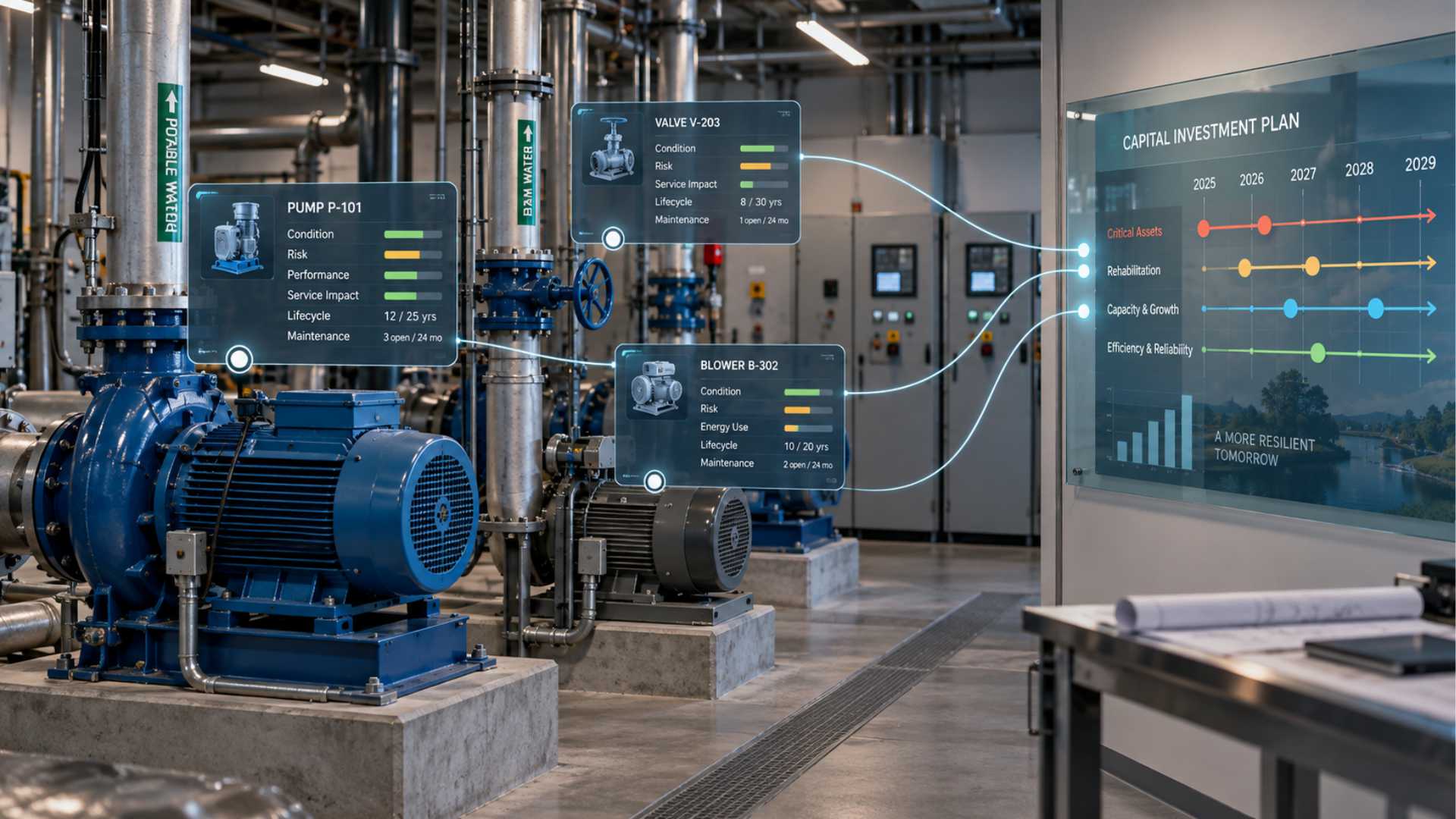
Asset Management has traditionally been grounded in the physical asset: its condition, performance, maintenance requirements, lifecycle cost and ability to provide service.
That foundation remains essential. But it is no longer sufficient for many asset-intensive organizations.
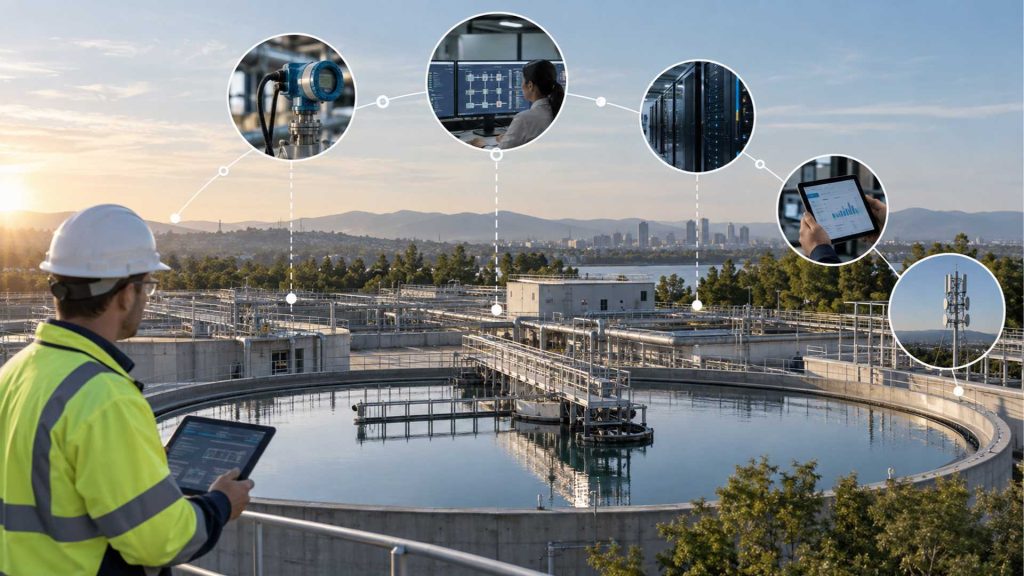
A growing number of physical assets now depend on operational technology, software, sensors, networks, cloud platforms, third-party services, data and, increasingly, AI-enabled analysis or control. Those dependencies may sit outside the formal Asset Management function, but they can materially affect whether an asset performs, whether service is available and whether a lifecycle decision produces the expected value.
The management implication is important.
The asset register does not necessarily need to expand. The decision boundary does.
ISO 55001:2024 reinforces this direction by placing greater emphasis on Asset Management decision-making, value, risk, data and knowledge. Canadian cyber guidance similarly recognizes that operational technology increasingly connects digital systems to processes that affect the physical world. And as AI begins to influence inspection, maintenance, optimization and operational decisions, questions of accountability, assurance and fallback become part of the operating environment.
This changes what leaders need to see when making asset decisions.
A physical asset can be in good condition while the service it supports remains exposed because of a vulnerable control system, unreliable data source, unsupported software platform or critical third-party dependency.
A technically attractive AI capability may improve analysis while creating new questions about who can act on its recommendations, how outputs are validated and what happens when the technology fails.
A procurement decision that looks economical at acquisition may create lifecycle exposure through vendor concentration, poor data portability, weak support arrangements or difficult exit conditions.
None of this means that Asset Management should absorb cyber security, IT, AI governance, procurement or enterprise risk.
It means the interfaces between those disciplines increasingly matter.
For us, a useful test is straightforward:
If a dependency can materially change asset value, service, lifecycle cost, resilience or accountability, it belongs inside the decision.
That is a different standard from simply asking what condition the asset is in.
As physical and digital infrastructure become more interconnected, stronger Asset Management will depend increasingly on the organization’s ability to make integrated, defensible decisions across those boundaries.
The technology may be changing quickly. The management obligation remains familiar: understand what creates value, understand what can compromise it, and make deliberate choices about both.